
Insights
What we learn, we publish.
Projects, field notes and opinions from the engineers doing the work.
-

Opdo raises $2.3M to bring AI into optical engineering
Backed by Angular Ventures, Inflection and Tiny.vc, the Los Angeles startup connects AI-driven optical design with real-world manufacturing data.
Read article → -
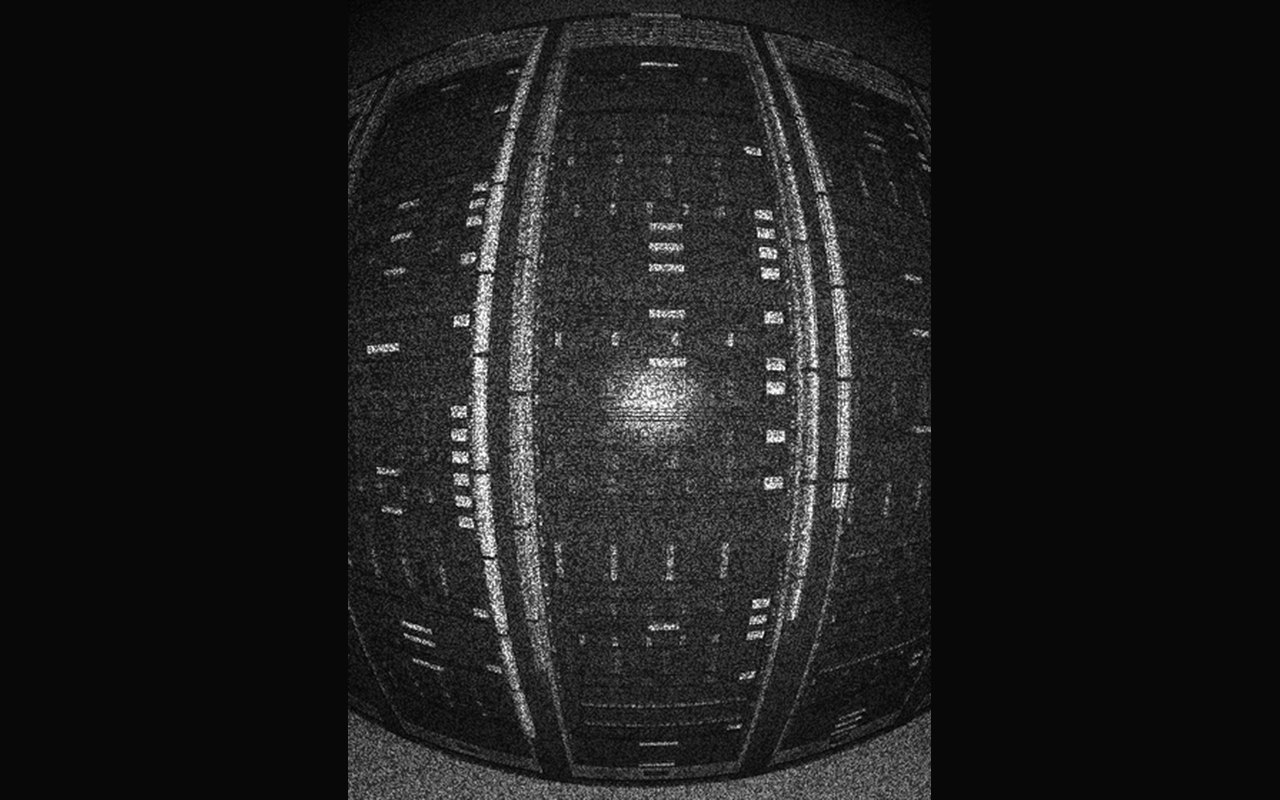
How to design a camera for a data center robot
A 127° stereo pair and a 30.5° color camera share the job of seeing a whole server rack and reading its 2 mm status LEDs, and an 850 nm dot projector cuts the worst depth errors by more than three times.
Read article → -
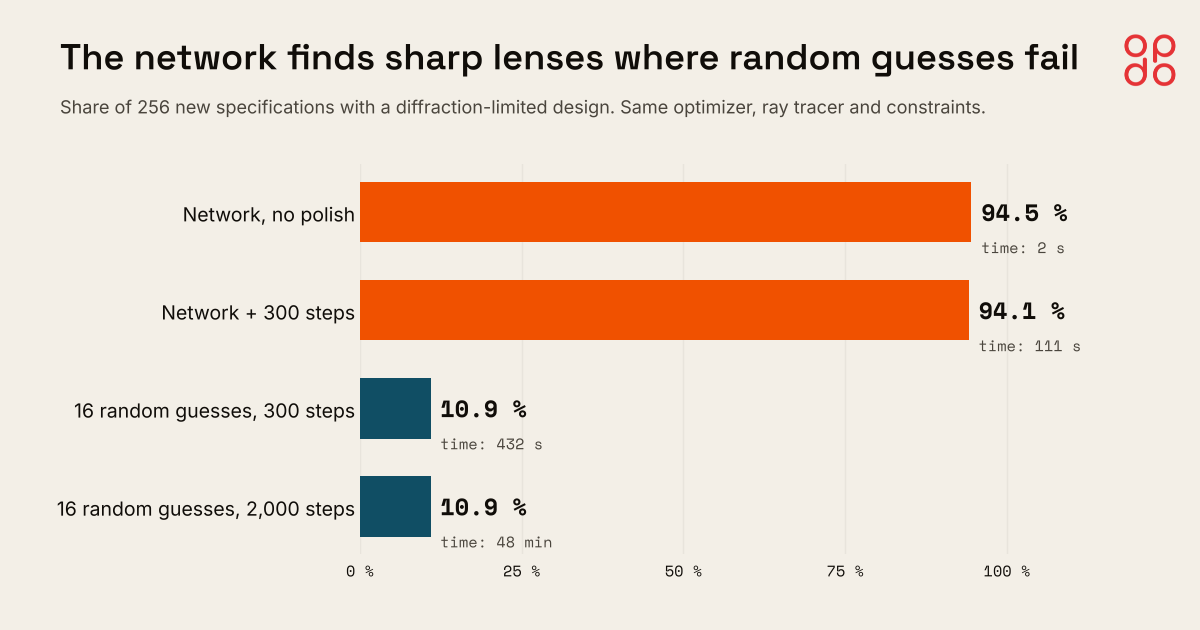
Training a neural network to design a compact camera lens
A neural network trained only against a ray tracer proposes four-element camera lenses as sharp as physics allows for 94.5 % of new specifications, in 2 seconds.
Read article → -
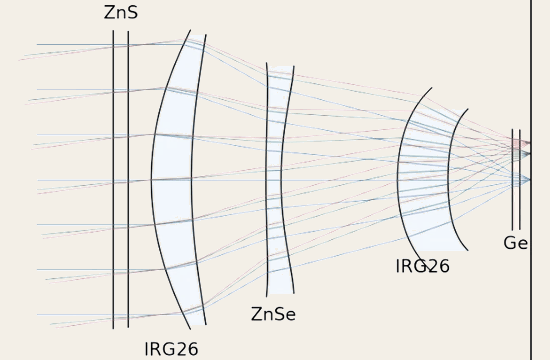
How to design a thermal camera lens that stays in focus from -40 to +85 °C
A patented two-lens LWIR design hit its limit at 35 mm. Two IRG 26 lenses around a negative ZnSe lens hold focus within ±5 µm from -40 to +85 °C in simulation.
Read article → -
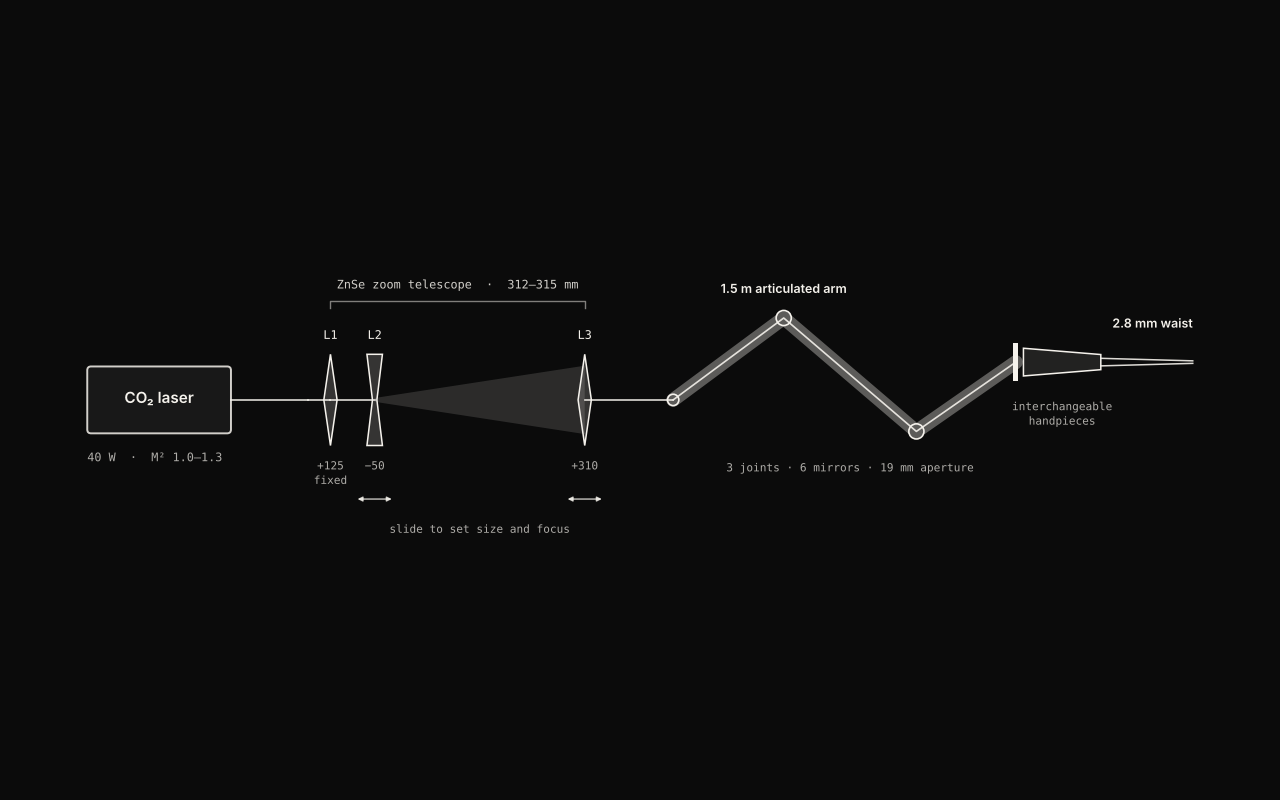
Can AI do optical design? I tested it on a CO₂ surgical laser
Ro Bahuguna tests Opdo's AI agents on a CO₂ surgical laser: three lenses control beam waist size and location for interchangeable handpieces.
Read article → -
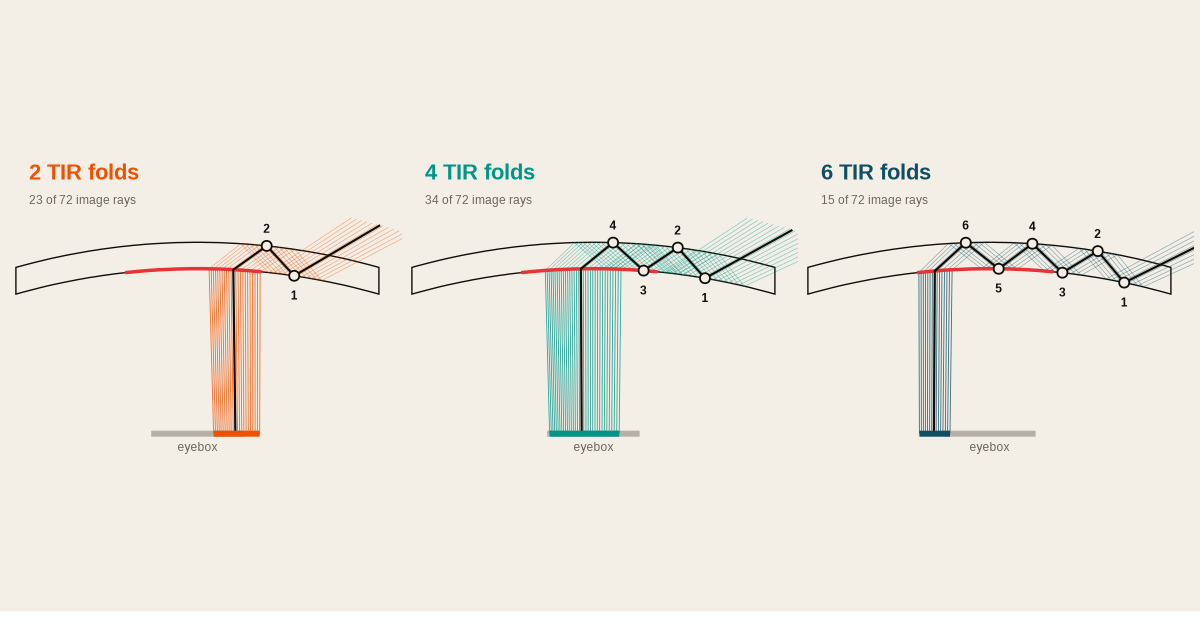
How to design a curved waveguide for AR glasses
Opdo's AI agents folded 21.6 mm of display optics into 7.9 mm: a curved see-through lens that guides display light by total internal reflection and releases it to the eye with a chirped grating.
Read article → -
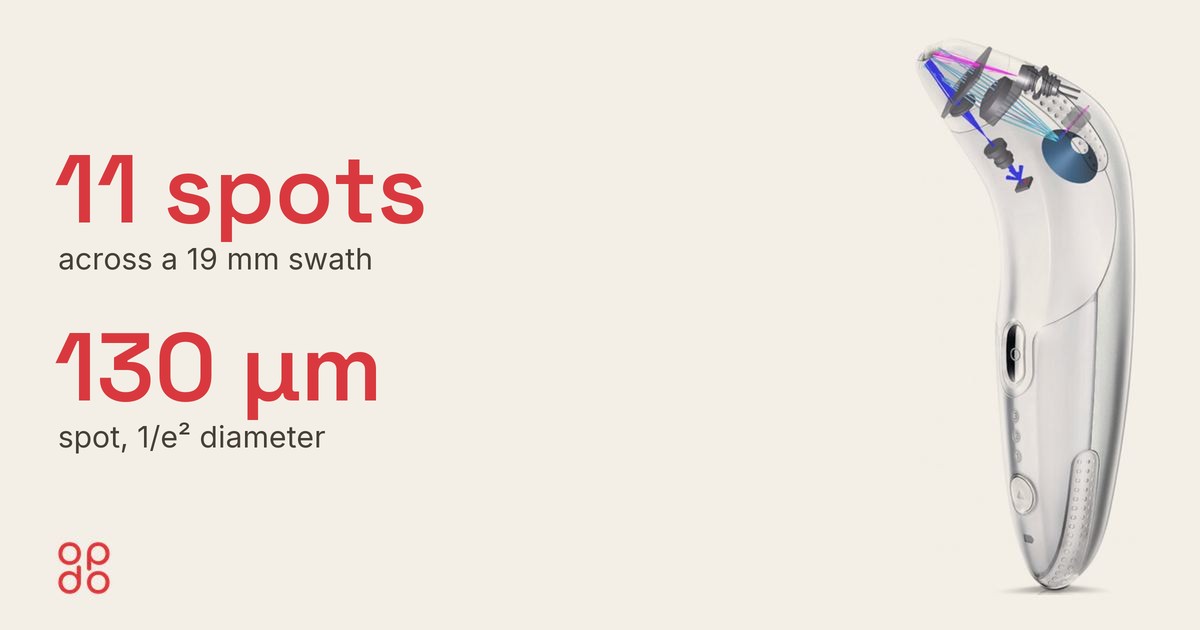
How to design optics for a handheld medical laser
A mouse sensor measures hand speed and a rotating 11-facet axicon moves the beam with the hand, so 11 spots of 130 µm land evenly across a 19 mm swath.
Read article → -
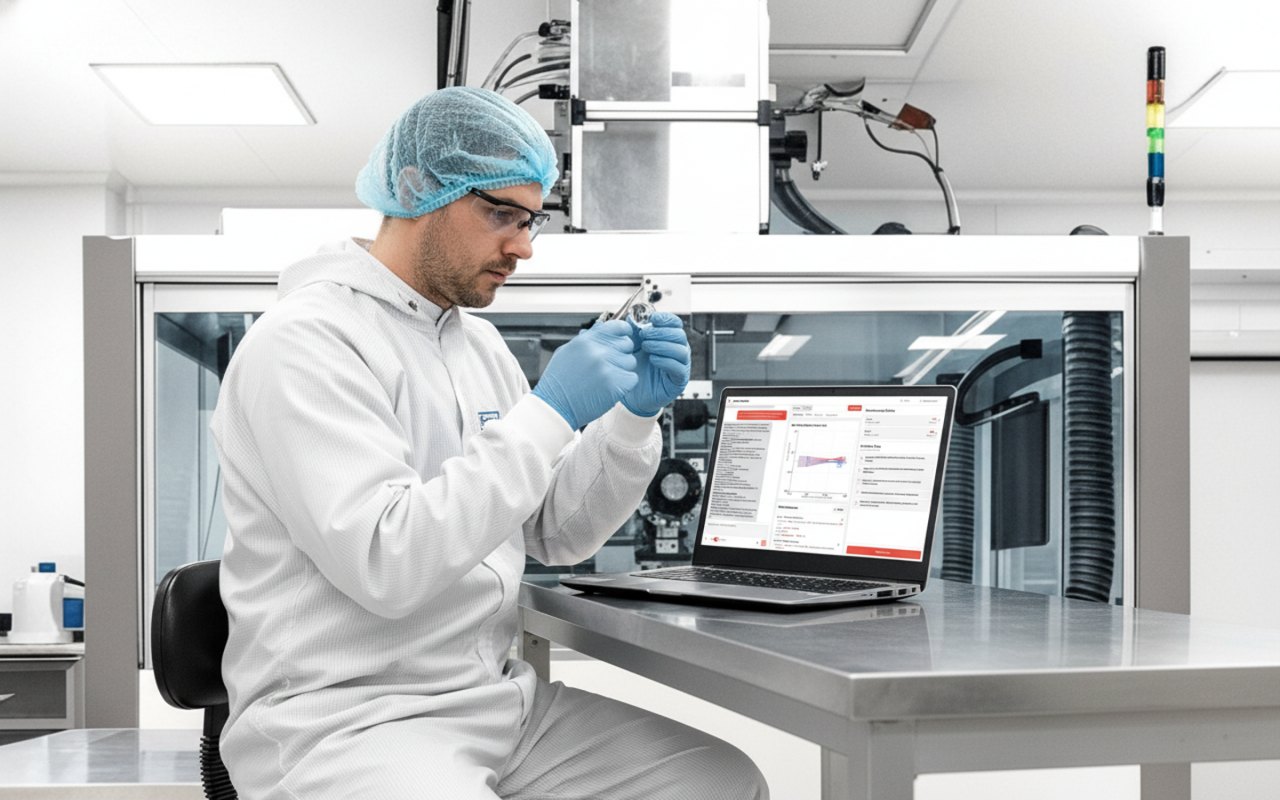
Opdo × Luximprint: From AI Design to Digital Fabrication
Opdo and Luximprint bridge AI-driven optical design with Printoptical® manufacturing — a complete digital workflow from concept to finished optic.
Read article → -
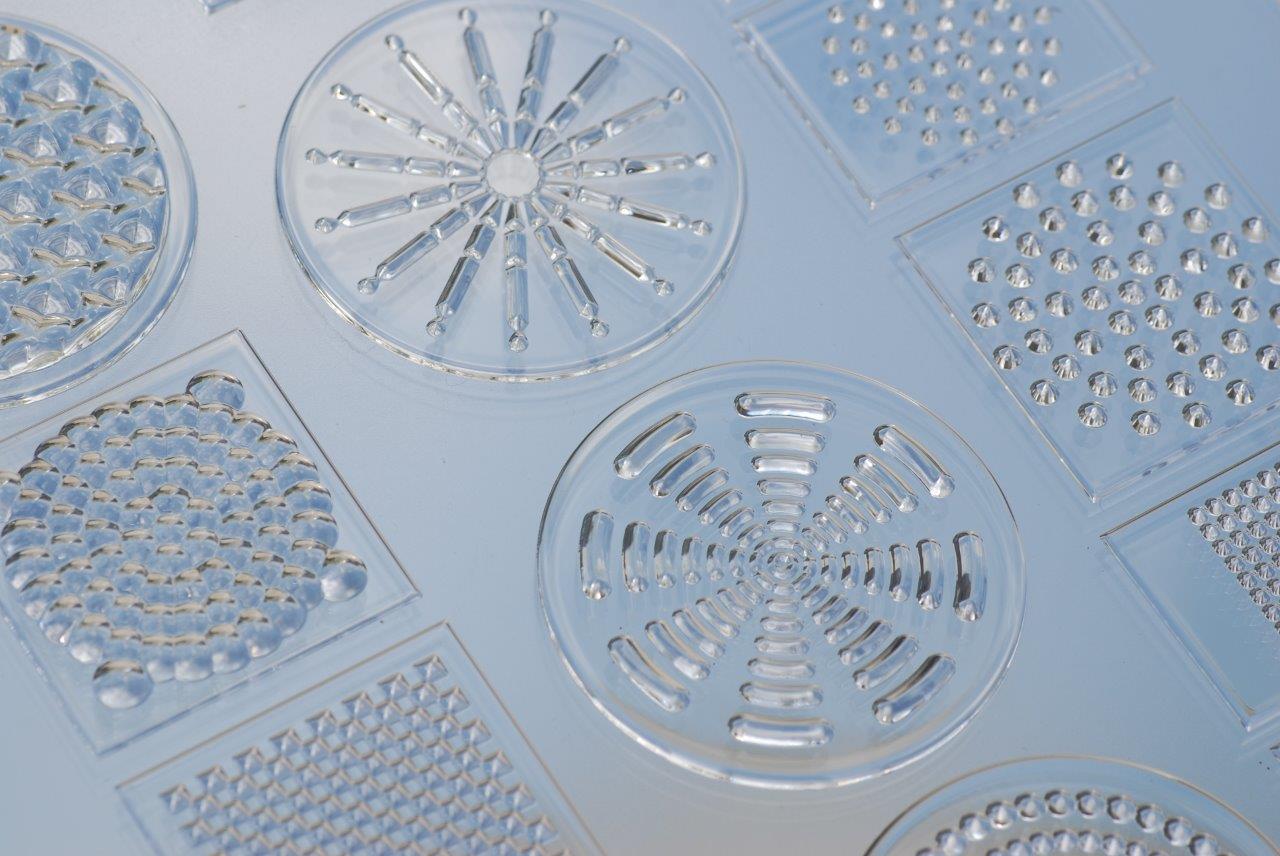
Manufacturing Illumination Optics with Printoptical Technology
An additive, tool-free route to large-format illumination optics with complex features and textures — printed directly from digital design.
Read article → -
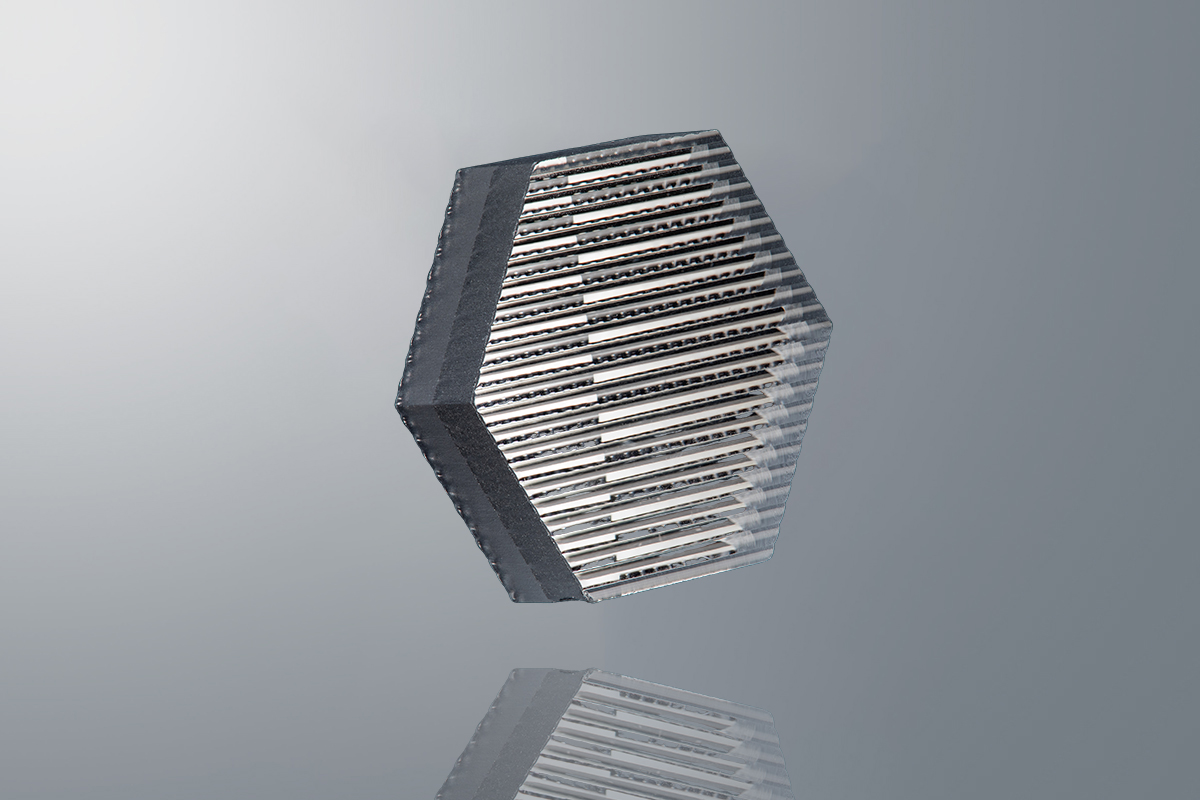
Manufacturing Micro-Optics with Two-Photon Polymerization
Femtosecond laser direct-write fabrication of micro- and nano-scale 3D optics with sub-micron precision and on-fiber integration.
Read article → -
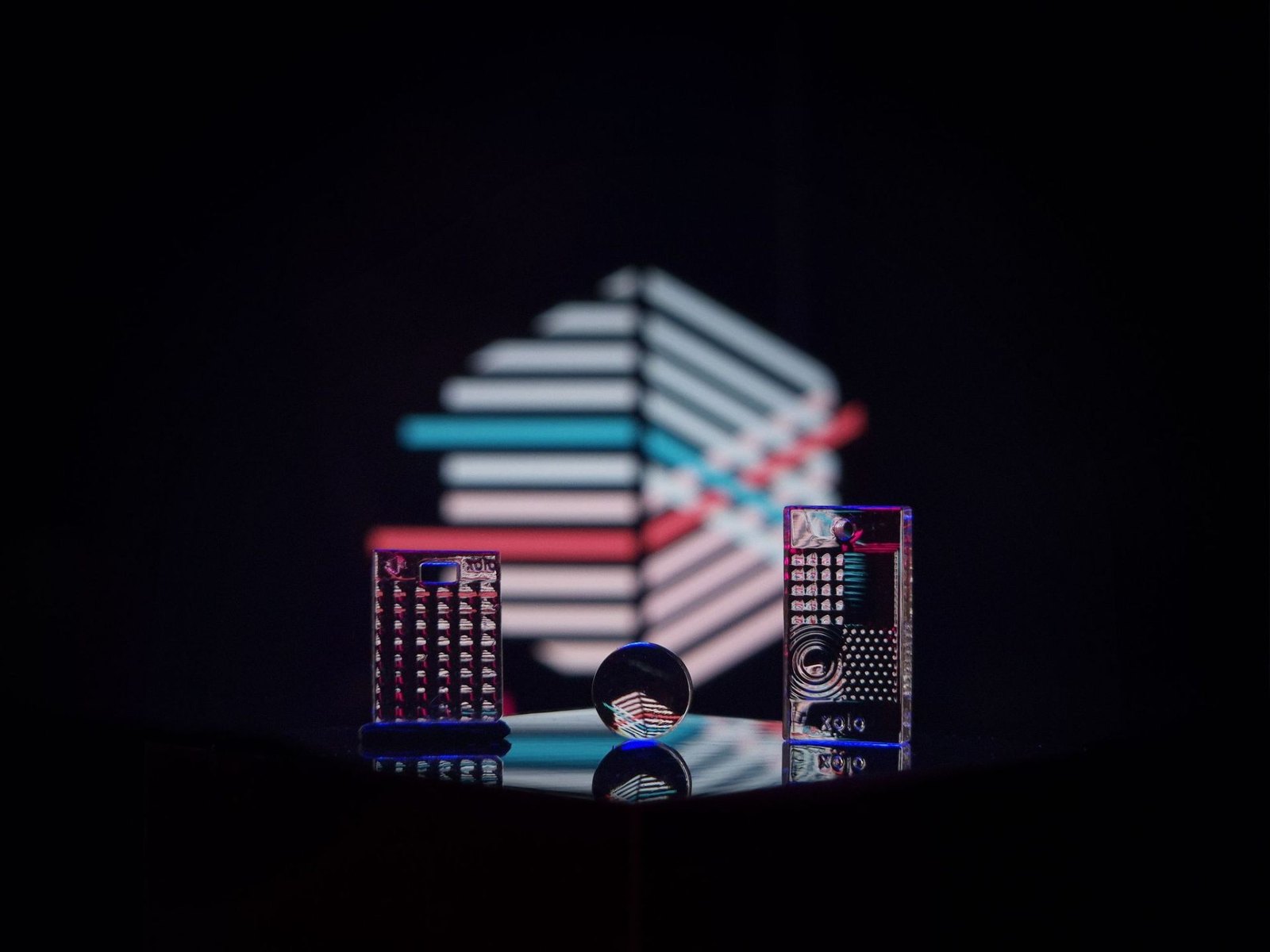
Manufacturing High-Precision Optics with Xolography
Volumetric 3D fabrication of optical-grade components in minutes using intersecting light beams — no molds, no tooling.
Read article →
Next step
From insight to verified part.
Opdo routes your design to the right technology and verifies every part against the design intent before it ships.